







Search Results for: Dose-to-Yield Ratio
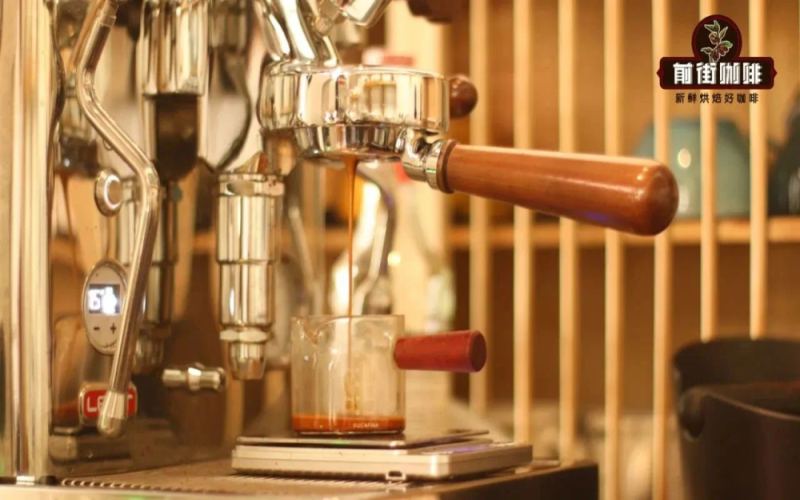
How Is Espresso Made? From Dose-to-Yield Ratio to Taste Adjustment, Comparing Extraction Differences with Drip Coffee
Espresso, with its high-pressure rapid extraction, serves as the base for lattes, cappuccinos, and other specialty coffee drinks. It uses a large dose of coffee and yields a small volume of liquid, with a concentration far higher than pour-over and other drip coffees. This article explores the extraction principles, coffee-to-water ratios, and flavor characteristics of espresso, and uses a Front Street Yirgacheffe Gudingding Cooperative coffee bean as an example to compare the extraction parameters and taste differences between pour-over and espresso. It also introduces the four blended coffee beans that Front Street has specially crafted for espresso, as well as reference parameters for single and double shots served in stores. Finally, it provides practical methods for adjusting the water-to-coffee ratio and grind size to help you find the balance between acidity and bitterness, and craft a cup of espresso with stable flavor. [more…]
Espresso Brewing Core Parameters and Operational Details: How Dose, Time, Yield, and Grind Size Affect Flavor
Espresso relies on high-pressure steam to complete extraction within tens of seconds, producing a concentrated and intense flavor, which makes parameter control especially strict. This article focuses on the four adjustable variables—grind size, dose, extraction time, and yield—analyzing how they affect flow rate and the flavor in the cup, and offering adjustment approaches for common problems such as burnt bitterness and weak blandness. It also covers operational details like distribution, tamping, and cleaning, explains the advantages of blended beans in terms of consistency, and recommends Front Street Coffee's classic espresso blend beans, helping coffee enthusiasts understand the birth process of a quality Espresso more systematically. [more…]
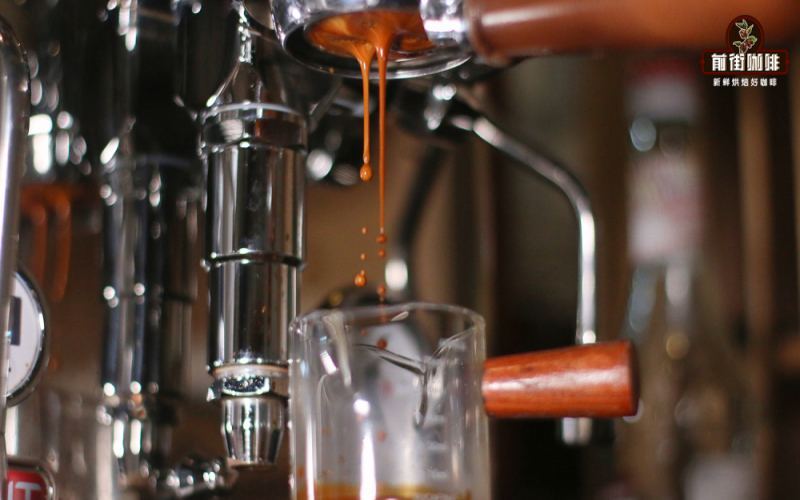
Espresso Extraction Ratios and Grind Size Explained: Dose-to-Yield Ratio, Flow Rate Adjustment, and Front Street Practical Parameters
Espresso is a taste treasure Italy has gifted to the world—briefly extracted, yet it concentrates the very essence of coffee. To obtain a qualified Espresso, parameters such as grind size, water temperature, extraction time, and dose-to-yield ratio are all indispensable, among which the extraction ratio and grind coarseness are especially critical. This article will systematically explain the dose-to-yield ratio range for espresso, the influence of grind coarseness on flow rate and flavor, and how to respond to extraction changes by adjusting dose, grind setting, and yield weight. The article also includes the practical parameters from Front Street Coffee's store and the flavor performance of the "Front Street Sunflower Warm Sun Blend Coffee Beans" for coffee enthusiasts' reference. [more…]
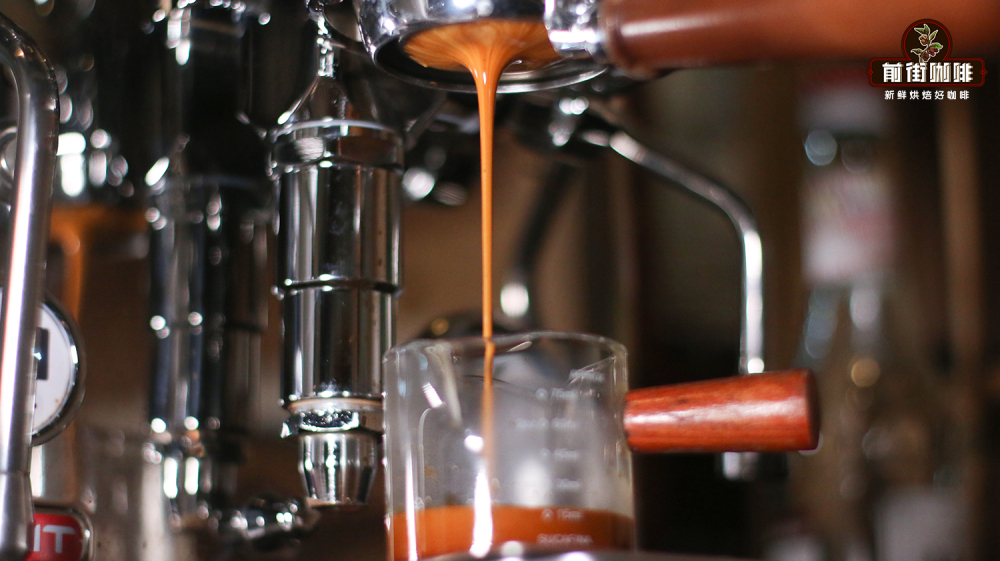
The Principles of Italian Coffee Extraction | What Are the Characteristics of Espresso Blends and Roasting? An Introduction to Espresso Dose-to-Yield Ratios, Grind Size, and Extraction Parameters
For more specialty coffee knowledge, please follow our WeChat official account: Front Street Coffee (FrontStreet Coffee). Italy is a country of coffee culture. The espresso that has spread around the world is the soul of coffee and a treasure Italy has given to the world. Espresso, as its name suggests, is a [more…]
Espresso Brewing Guide: How Dose-to-Yield Ratio, Grind Setting, and Extraction Time Affect Flavor
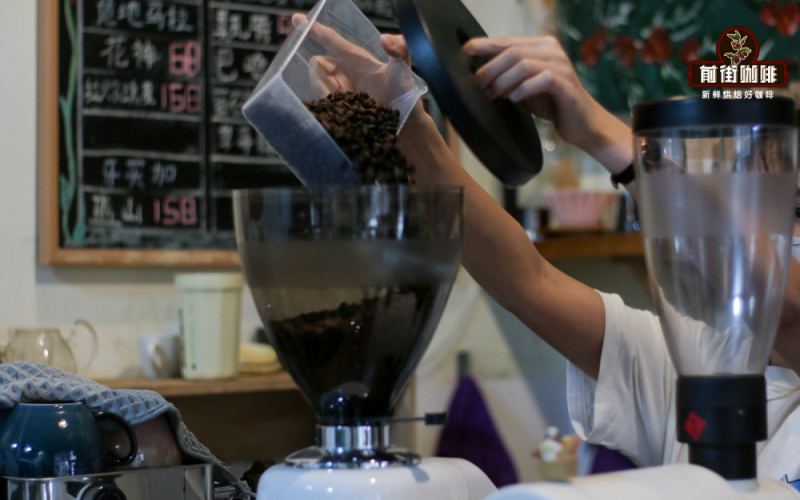
To replicate a rich, full-bodied espresso with abundant crema and aroma at home, the key lies in mastering three core parameters: the dose-to-yield ratio, extraction time, and grind size. Drawing on daily dialing-in experience from Front Street stores, this article explains in detail how to balance the acidity, sweetness, and bitterness of coffee by adjusting dose and yield, controlling the 25-to-30-second extraction window, and making fine adjustments to grind coarseness, while also covering the selection of fresh blend beans and key points for resting beans. The article also introduces the specific extraction recipe and flavor performance of Front Street Sunflower Warm Sun blend coffee beans, helping coffee enthusiasts consistently produce a delicious espresso on their own equipment. [more…]
How to Determine Espresso Extraction Time? A Guide to Dose-to-Yield Ratio, Crema, and Stability Assessment
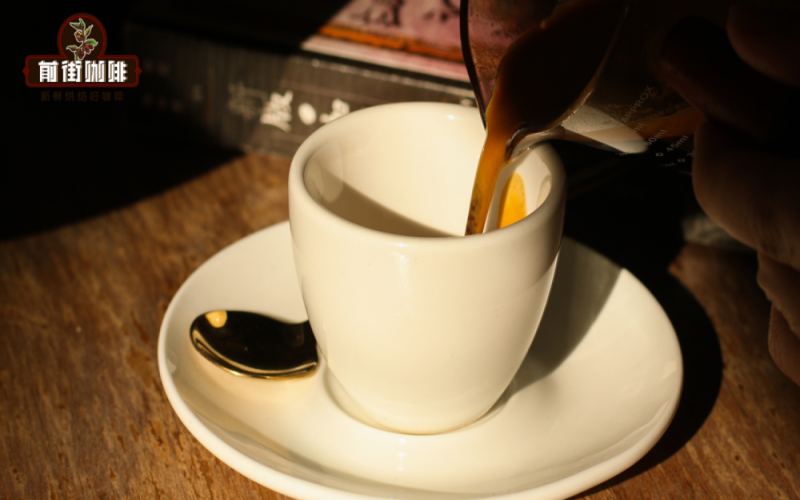
Extraction time is one of the most sensitive and critical variables in espresso. Compared with methods like pour-over, espresso has a much narrower extraction window, where even a difference of a few seconds can bring noticeable changes in flavor. This article will explain the logic behind setting extraction time, the choice of brew ratio, crema performance, and how to judge whether an extraction recipe is stable. At the same time, drawing on the parameter adjustments brought about by the improved quality of modern coffee beans, it introduces the performance of Front Street Classic Blend and Front Street Dark Cocoa Base Blend in actual extraction, helping coffee enthusiasts understand and dial in espresso more systematically. [more…]
How to Extract Espresso? A Full Analysis of Dose-to-Yield Ratio, Grind Size, and Extraction Time
To make a decent espresso at home, you need to get three things straight: how much coffee you use, how much liquid you extract, and how fine you grind. The standard reference is a 1:2 coffee-to-liquid ratio—about 9 grams of coffee yielding 18 grams of liquid for a single shot, and 18 grams of coffee yielding 36 grams for a double, with the actual output fine-tuned to taste. As for grind size, watch the flow rate: if it runs fast, grind finer; if it runs slow, grind coarser, until the extraction time falls within the right range. The roast level of the beans also matters a lot—medium-dark roasts and darker make it easier to achieve a balanced flavor. Drawing on the real-world parameters of Front Street Coffee's classic blend, this article lays out the extraction logic clearly in one go. [more…]
The Complete Guide to Espresso Extraction: Grinding, Dose-to-Yield Ratio, and Time Parameters, with Front Street Coffee Espresso Blend Recommendations
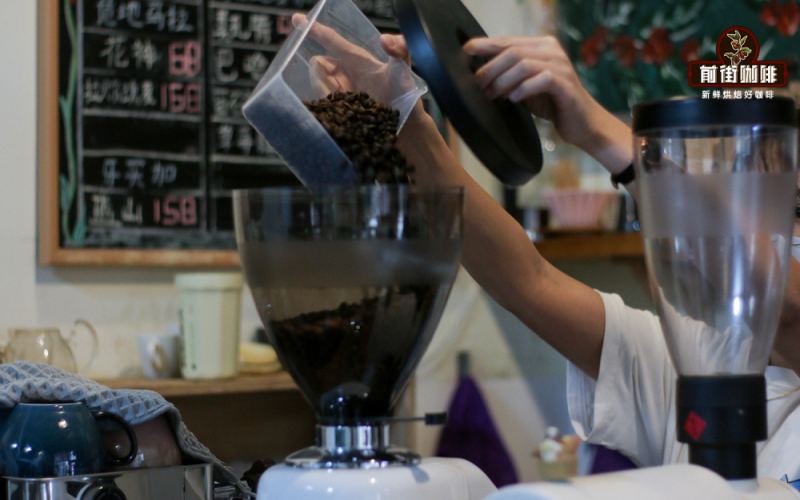
Many friends who are new to espresso focus their attention on milk foam and latte art, but what truly determines the quality of a milk coffee is actually the extraction quality of the espresso. Drawing on the hands-on experience of Front Street Coffee, this article systematically explains why espresso blend beans are chosen, how to adjust daily extraction parameters, and the complete process and judgment criteria from distribution and tamping to extraction. It also introduces products such as Front Street Sunflower Warm Sun Blend and Front Street Specialty Blend, helping coffee enthusiasts and professionals consistently produce a delicious cup of espresso. [more…]

The Complete Guide to Espresso Extraction: Time, Dose-to-Yield Ratio, and Daily Parameter Adjustment Techniques
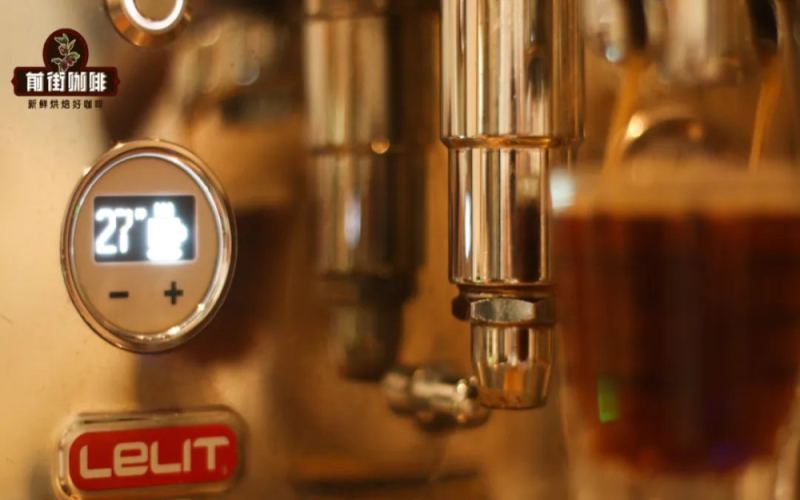
Many coffee enthusiasts focus their attention on milk foam and latte art, but what truly determines whether a milk coffee tastes good is actually the extraction quality of the espresso. Drawing on the hands-on experience of Front Street Coffee, this article explains in detail why an espresso blend is chosen, why extraction parameters must be adjusted every day, and the complete steps from locking in the portafilter, flushing, drying, grinding, distributing, tamping, to extraction. The article also provides the specific parameters of the Lelit espresso machine used in Front Street's own stores, and shares how to judge whether extraction is up to standard by observing flow rate and tasting, making it suitable reading for baristas and seasoned enthusiasts who want to improve their espresso skills. [more…]
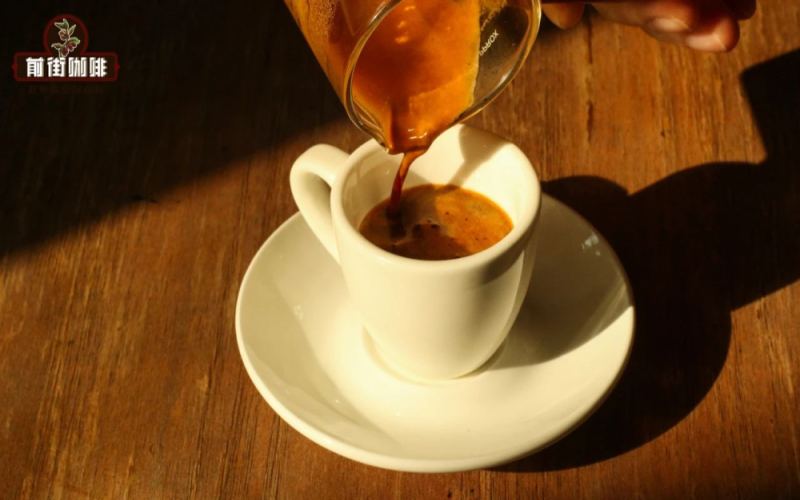
Espresso Blend Recipes and Extraction Parameters Explained: Dose-to-Yield Ratio, Grind Size, and Time Control
To make espresso with rich crema and a full-bodied mouthfeel, the key lies not only in the machine, but even more in the bean blend recipe and roast level. Front Street Coffee has long insisted on fresh roasting, offering coffee beans that have been rested for two to three days so the flavors are fully released. This article systematically compiles six Front Street espresso blend options, covering balanced, bitter, acidic, winey, specialty, and basic styles, and explains in detail parameters such as the coffee-to-water ratio, grind size, and extraction time. It also shares key points for selecting blend beans: removing defective beans and understanding the differences in bean variety characteristics and roast levels. Whether you are a coffee enthusiast or a shop operator, you can find an espresso bean solution and extraction approach suitable for daily serving. [more…]
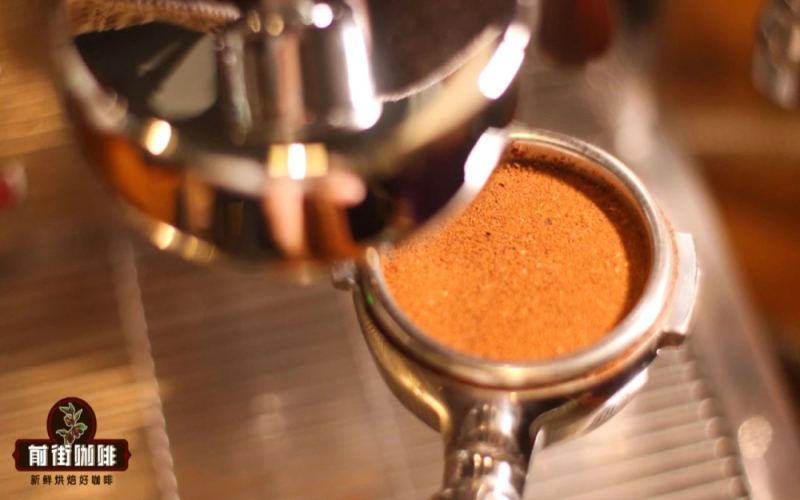
How to Choose Espresso Beans: A Complete Guide to Blend Options, Crema Formation, and Extraction Parameters
To make a golden-crema, richly aromatic espresso at home, choosing the right coffee beans is the first step. Starting from bean freshness and the resting period, this article explains how the two major species, Arabica and Robusta, affect crema performance, and how origin and roast level shape the final flavor. It then introduces several Front Street Coffee espresso options: the classic blend, the dark cocoa blend, and two single-origin espressos (SOEs), each suited to different taste preferences and budgets. Finally, it focuses on extraction, explaining pressure stability, the brew ratio, and how crema transitions from thick to thin, helping you understand why more extraction doesn't necessarily mean better crema, along with practical parameter references. [more…]
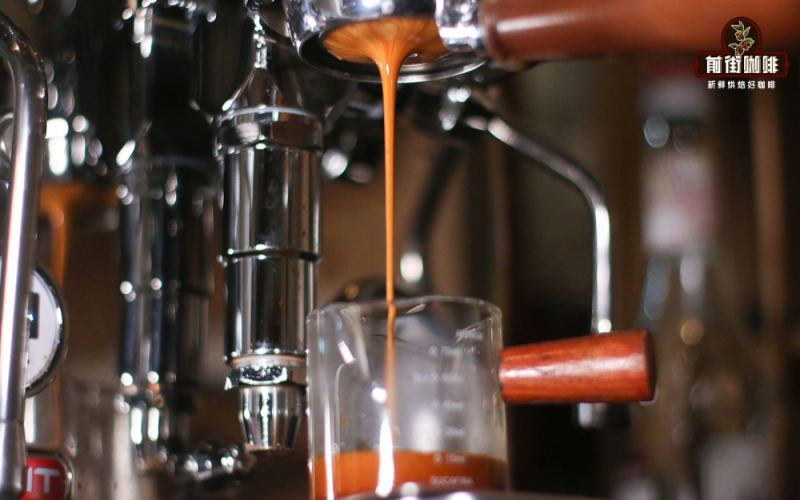
Espresso Extraction Principles | Why Can't Espresso Be Extracted Twice? What Are the Factors Affecting Espresso Extraction?
For more specialty coffee knowledge, please follow our WeChat official account: Front Street Coffee (FrontStreet Coffee). Before opening for business each day, every coffee shop's task is to dial in a qualified and delicious espresso. We know what delicious means, but what is a qualified espresso? Today Front Street [more…]
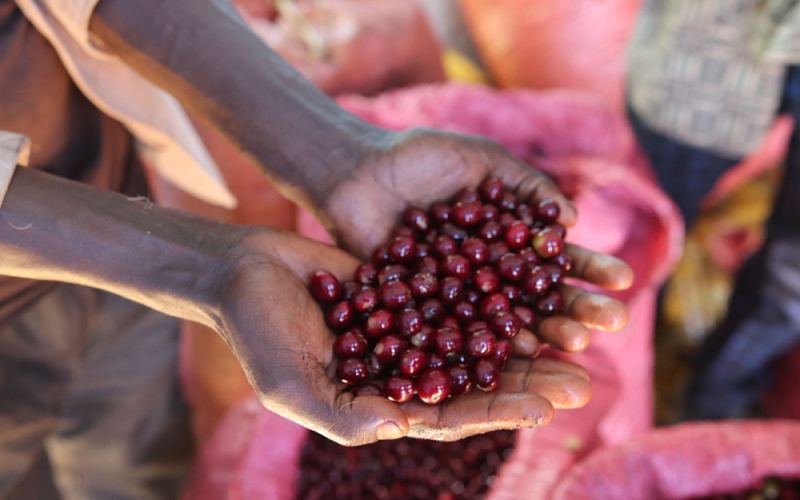
Ethiopia Sidamo Hambela Region Natural Sun-Dried Huakui Coffee Beans: A Guide to Making SOE Americano and Latte
As the birthplace of coffee, Ethiopia boasts a rich variety of cultivars and diverse flavor expressions, with each producing region showing distinctly different characteristics due to terroir differences. Sidamo and Yirgacheffe are both important specialty coffee regions; the former is famous for its natural processing method, and Front Street Coffee's Huakui is a highly representative single-origin example. Huakui comes from Hambela in the Guji region, located in Ethiopia's highest-altitude coffee sub-region, where natural processing gives it a mellow sweetness and complex layers. Starting from the producing region background and processing method, this article will further share how to make a delicious Huakui SOE Americano or latte at home, including grind adjustment, coffee-to-water ratio, and extraction details, to help coffee lovers consistently present its berry and citrus notes. [more…]
SOE Coffee Bean Selection Guide: From Origin and Roasting to Extraction Dialing-In, Making Delicious Single-Origin Espresso
Nowadays, the choice of single-origin coffee beans is becoming increasingly diverse, and many people are starting to try using them to make SOE, hoping to get a cup of espresso with a distinct character. SOE stands for Single Origin Espresso, which refers to espresso extracted from coffee beans of a single origin. However, single-origin beans have to withstand the high temperature and high pressure of an espresso machine along with fine grinding, and their flavors are amplified exponentially, making bean selection and dialing in especially critical. Starting from the three dimensions of producing region, roast level, and processing method, and combining Front Street Coffee's hands-on experience, this article helps you find the SOE type that suits you, and shares the brew ratio, grind adjustment, and specific extraction approaches for Americanos and lattes, so that you can consistently make a delicious cup of SOE at home. [more…]
Espresso Bean Selection Guide: Blends, Robusta Ratios, and Extraction Parameters Explained
To make a stable Espresso or a smooth milk coffee, choosing the right beans is only the starting point. Why are most Italian-style coffee beans dark-roasted and predominantly blends? After the rise of single-origin SOE, how should one weigh the options? Drawing on Front Street Coffee's production experience, this article sorts out two bean-type combinations for Italian-style blends, the appropriate proportion of Robusta beans (within 10%-20%), and introduces one by one the ratios and flavors of four Front Street Italian-style blend beans. The latter part focuses on the extraction stage, analyzing the eight major variables of water pressure, boiler pressure, water temperature, tamping force, grind size, dose, time, and extraction yield, and provides Front Street's espresso base preparation process and brew ratio reference, helping enthusiasts find their own cup between balance and individuality. [more…]
Can SOE single-origin beans be used for espresso? An article analyzing the flavor characteristics and extraction key points of SOE coffee.
In the world of espresso, SOE (Single Origin Espresso) is attracting more and more attention from coffee lovers. It refers to espresso made from single-origin coffee beans, with the core aim of showcasing the unique flavor personality of a particular origin, rather than pursuing the balanced consistency of blended beans. This article will start with the definition, flavor characteristics, and historical origins of SOE, explain how it differs from traditional blends, and recommend the types of coffee beans suitable for making SOE. At the same time, Front Street Coffee will also share the complete extraction parameters for Huakui SOE and the method for making a latte, helping you make a cup of single-origin espresso with clear flavor at home. [more…]
Espresso Coffee Bean Recommendations: How Equipment, Parameters, and Bean Flavor Work Together
The same coffee beans will perform noticeably differently in different brewing devices. Pour-over places more emphasis on aroma and clarity, the espresso machine highlights intensity and sweetness, and the moka pot requires a balance of pressure, heat, and coffee bed. Bean selection cannot be separated from the brewing device, and the parameters should also be adjusted accordingly based on the roast level of the beans. The key points of espresso extraction are dose, grind [more…]
Espresso specialty coffee bean recommendations: how gear, parameters, and bean flavor work together
The same coffee beans will perform noticeably differently in different brewing devices. Pour-over places more emphasis on aroma and clarity, the espresso machine highlights intensity and sweetness, and the moka pot requires a balance of pressure, heat, and the coffee bed. Bean selection cannot be separated from the brewing device, and the parameters must also be adjusted accordingly based on the roast level of the beans. The key to espresso extraction lies in the dose, grind [more…]
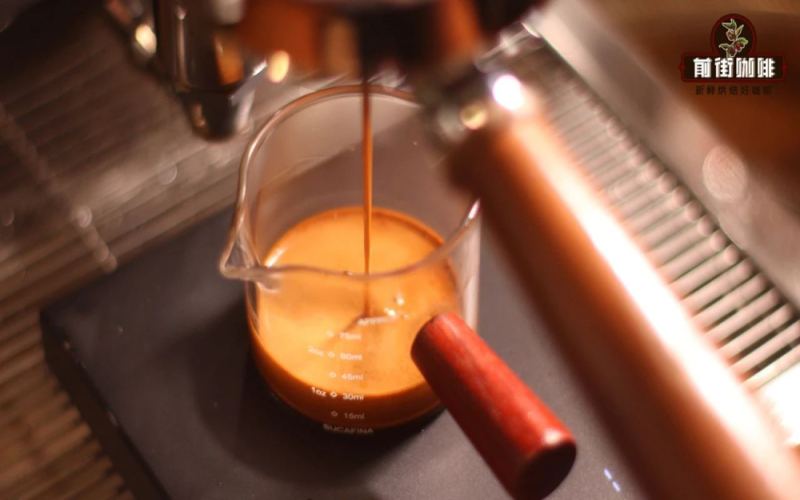
Espresso Extraction Recipe Adjustment Guide: From Grind Size to Dose-Yield Ratio, Quickly Find Great-Tasting Parameters
Making espresso at home with an espresso machine is most frustrating when it comes to dialing in parameters—one careless move and half a bag of beans is gone. Even professional baristas, when facing a new espresso blend, often need to pull seven or eight shots before finding a satisfying flavor. Actually, the key to taking fewer detours and quickly dialing in to a tasty state is to understand what impact each parameter change will bring. Based on Front Street Coffee's hands-on experience, this article sorts out the three major adjustable variables—grind size, dose, and yield—and, combined with the 1:2 brew ratio and 25-30 second extraction framework, teaches you how to judge the grind setting through timing differences, and gives specific adjustment directions for common problems such as burnt-bitterness and short aftertaste. [more…]
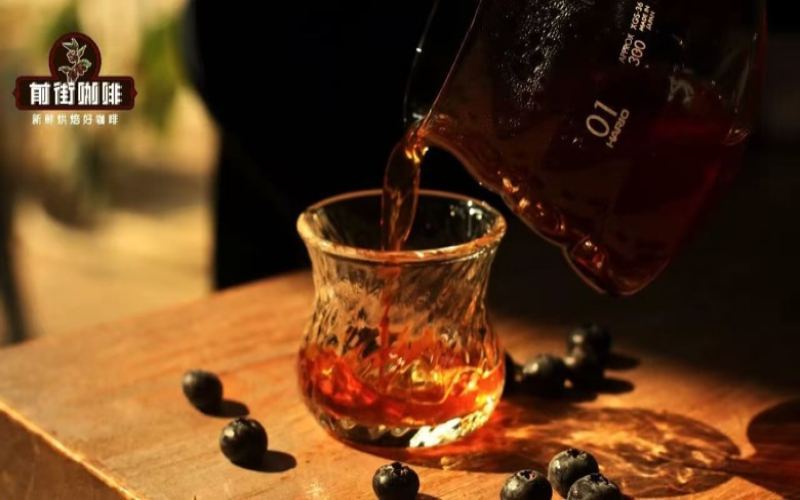
Single-Origin and Blend Pour-Over Coffee Bean Recommendations: How Different Roast Levels Change the Cup
The roast level changes the flavor focus and extraction rhythm of coffee beans. Light roasts typically retain more floral and fruity notes and bright acidity, medium roasts tend to present sweetness and balance, while dark roasts lean toward nutty, cocoa, and full-bodied flavors. None is superior to the others; the key is whether they match your brewing method. For espresso extraction, the focus is on dose, grind [more…]